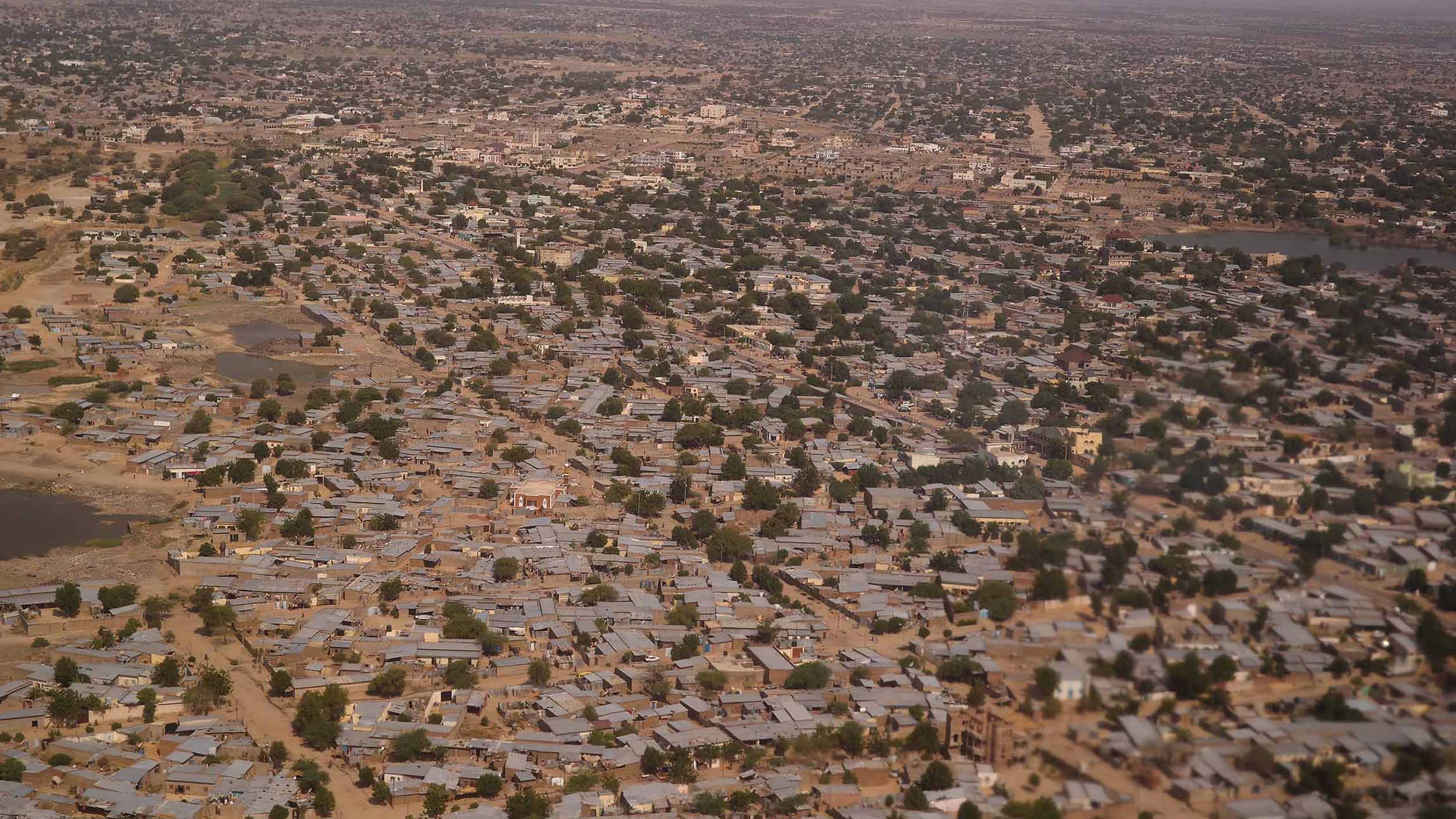
Chad, one of the world’s poorest countries, faces overlapping natural and manmade humanitarian crises, low development, limited social services, and climate hazards, with 7 million people, almost 40 per cent of the population, needing humanitarian aid in 2025.
Even before Sudan’s war erupted in April 2023, Chad hosted one of the region’s largest refugee populations. With nearly 1 million new arrivals, the total forcibly displaced now exceeds 1.3 million, including over 1.1 million Sudanese refugees, as well as refugees from the Central African Republic, Nigeria and Cameroon, and 220,000 returning Chadians.
The Lac province, affected by internal displacement and armed attacks, counts more than 221,000 displaced persons and 41,500 returnees. Southern Chad, affected by inter-community conflicts and flooding, is facing growing food insecurity, with 3.7 million people in a critical situation, and 1.8 million children suffering from malnutrition.
The state of emergency first declared in 2024 over the worsening food crisis was further aggravated by the region’s worst floods, affecting 1.9 million people and destroying 356,000 hectares of cropland.
The number of people facing acute food insecurity has more than doubled since 2023 and over 4.3 million people are projected to suffer crisis and emergency levels of food insecurity during the lean season between June and August 2025 – a 500 per cent increase compared to 10 years ago when 660,000 people were affected. Among them are at least 600,000 refugees and returning Chadians who fled Sudan’s fighting. This is compounded by a poor 2024 agricultural season caused by severe flooding that destroyed about 432,200 hectares of crops and displaced nearly two million people.
Epidemics like measles, malaria and hepatitis E are constant threats and malnutrition admissions are at alarming levels with 2.1 million children under 5, pregnant and breastfeeding women at risk. More than 3.6 million people lack access to water and sanitation. Only 15 per cent of health centres are functional.
As of February 2025, Chad has opened seven new camps for Sudanese refugees, but the influx exceeds capacity, and at least three more are required. Failing to meet the vital needs of refugees and vulnerable host populations could fuel inter-community tensions. The ongoing crisis is straining resources, exacerbating vulnerabilities, and heightening the need for urgent humanitarian interventions.
Flexport’s work with giving aid in hard-to-reach locations includes giving 900 families in Chad emergency kits containing water purifiers, a solar light, and hygiene items.

Privacy and Cookie Notice
We use cookies and collect personal data to enhance your experience and comply with GDPR. Your data is securely stored and used only for improving our services.