Across the Democratic Republic of the Congo (DRC), more than 21 million people already required humanitarian aid before the latest escalation of the crisis. Since early January, intensified conflict and attacks have displaced hundreds of thousands, worsening the humanitarian crisis and straining already scarce resources.
The crisis in eastern Democratic Republic of the Congo (DRC) is one of the most protracted and complex in the world and continues to deteriorate rapidly. For eight consecutive years, the DRC has been ranked as one of the world’s most neglected displacement crises, due to repeated cycles of conflict, lack of funding for aid and media attention, or effective humanitarian and peace diplomacy.
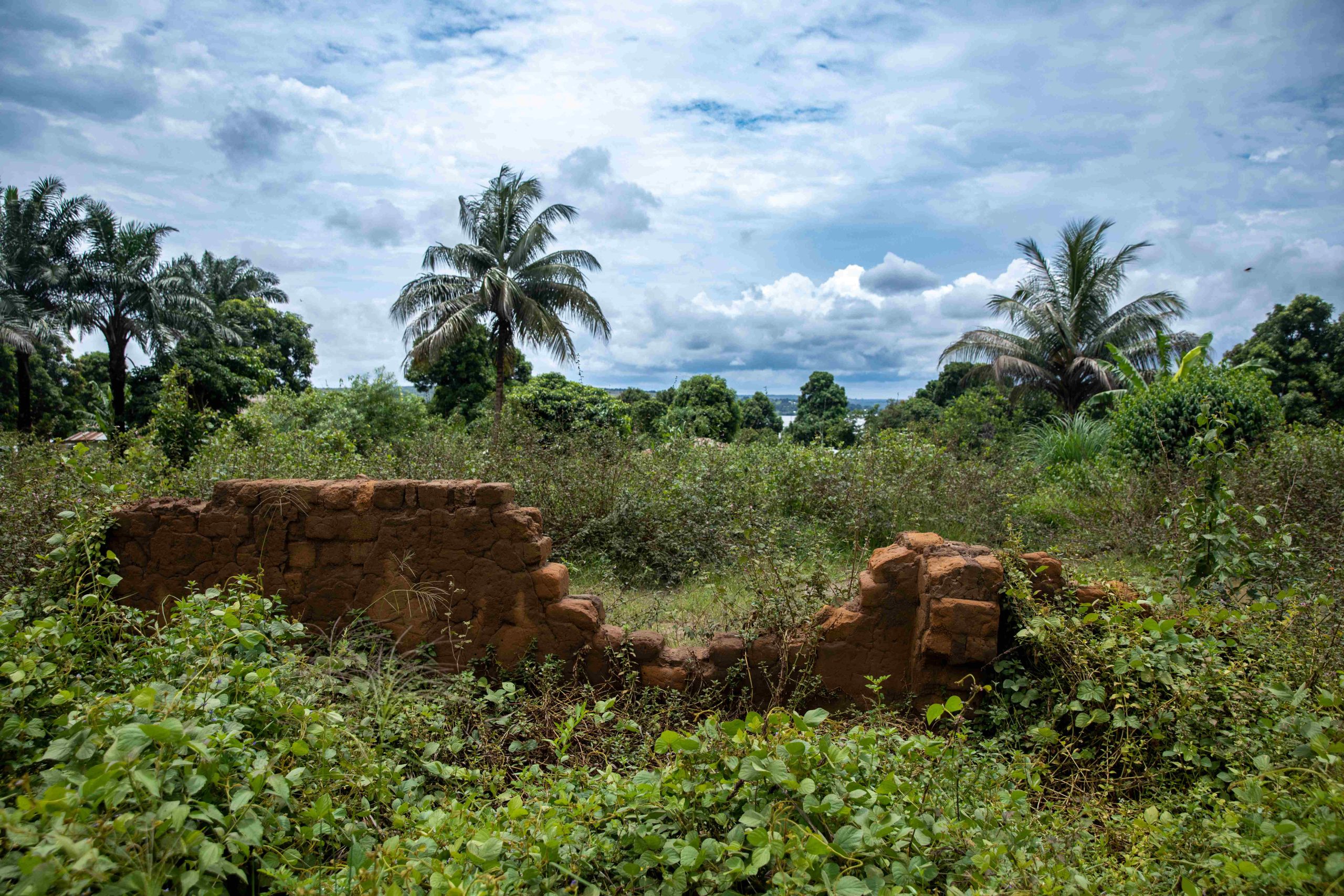
The escalation of violence in eastern DRC since January 2025, including the targeting of displacement sites and destruction of key infrastructure such as schools and health centres, has increased the number of people displaced within the country to an all-time high of 7.3 million and forced more than 86,000 to flee to neighbouring countries. In North Kivu and South Kivu provinces, 1,157,090 people have been displaced since the start of 2025, and 1,787,298 have returned to their areas of origin.
DRC has 25.5 million people suffering from severe food insecurity – over a quarter of the population and the highest number of people globally. One in two children under five is affected by chronic malnutrition, highlighting the urgent need for sustained food assistance and nutritional support. An estimated 4.45 million children faced elevated levels of acute malnutrition between July 2024 and June 2025, of which over 1.39 million were at risk of severe malnutrition, requiring immediate intervention.
Access to sanitation and drinking water has become a major challenge in areas around Shasha, west of Goma, where entire communities have returned to locations which lack functioning latrines, drinking water, or washing facilities. Cholera cases have spiked, with families forced to drink untreated water from Lake Kivu or from the river. The DRC also faces recurring epidemics of measles, monkey pox and Ebola, while bearing the brunt of repeated large-scale natural hazards, including devastating floods and volcanic eruptions.
Sexual and gender-based violence is widespread and has reached appalling levels of child recruitment, extortion, physical violence, murder, abduction, torture, looting, and attacks on schools and health structures are frequent.
In North and South Kivu provinces, 5,927 schools remain closed resulting in almost 2,000,000 children with no access to education.
Infrastructure and warehouses of UN agencies and humanitarian non-governmental organizations have been looted, with large quantities of food, medicine, and essential medical supplies lost in targeted attacks.
Vodafone Foundation in collaboration with UNHCR has sponsored Instant Network Schools, equipping tens of thousands with internet and learning materials for children who are displaced in the DRC.

Privacy and Cookie Notice
We use cookies and collect personal data to enhance your experience and comply with GDPR. Your data is securely stored and used only for improving our services.