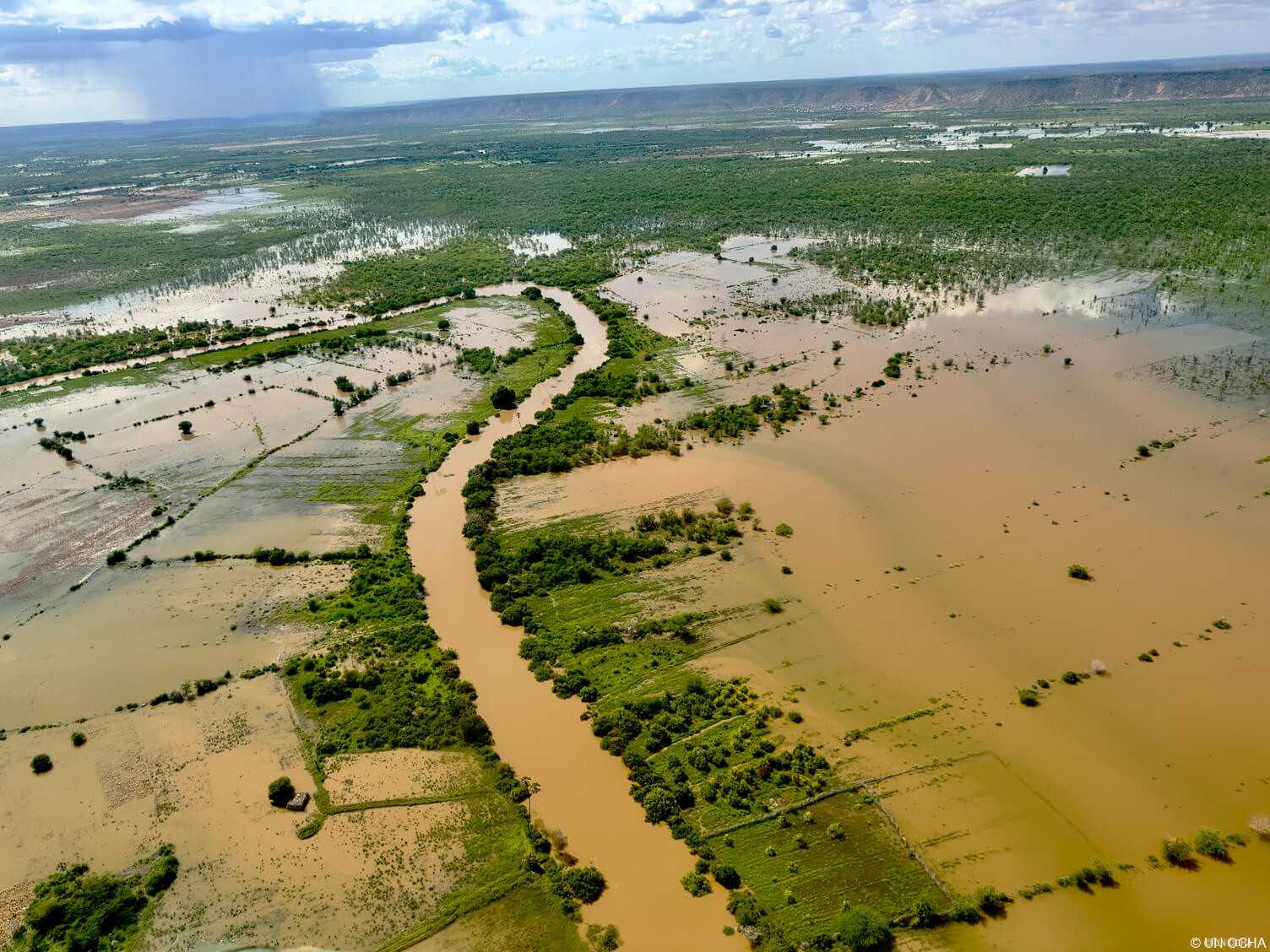
The third largest refugee hosting African country continues to grapple with the weight of multi-faceted, often overlapping, humanitarian situations driven by man-made and natural hazards, including conflict, climatic shocks (drought and floods), and disease outbreaks.
Ethiopia has, over the past several years, been affected by recurring droughts, ongoing hostilities and violence and multiple disease outbreaks, affecting at least 21 million Ethiopians. The most vulnerable people’s food insecurity and malnutrition levels have deepened, and at least 4.4 million displaced people are in temporary shelters and with host communities across the country. Hosting over 942,000 refugees—mainly from South Sudan, Somalia and Eritrea—Ethiopia is the third largest refugee hosting African country, with 24 active camps and sites.
An estimated 9 million people across Ethiopia’s Tigray, Afar and Amhara regions need food aid. Nearly 40% of people in the Tigray region are suffering from an extreme lack of food. The La Niña-impacted October-December 2024 rains which underperformed, in predominantly pastoralist areas in southern and southeastern parts of the country, are causing drought-like conditions, leading to water shortages, food insecurity and acute malnutrition in communities
that are still recovering from the impact of the 2020-2023 drought.
In addition to severe food insecurity, protection concerns persist, including gender-based violence, violence against civilians, child separation, continuous forced eviction and destruction of properties, presence of mines and other unexploded ordnance. Women and children continue to lack access to proper healthcare, social welfare and justice services.
Ongoing armed conflicts, particularly in Amhara and Oromia, continue to endanger the lives of many, increasing humanitarian and protection needs and hindering access to vulnerable communities, preventing the delivery of much-needed aid.
Over 9 million children are currently out of school, with over 1,200 schools reportedly occupied by armed groups.
Large-scale epidemics remain a pressing concern: a cholera outbreak which began in August 2022 persists in certain areas, while malaria (with over 9 million cases reported) and measles continue to pose a significant public health threat.
Seismic activities continue in the Afar and Oromia regions, with 232 earthquakes recorded since 21 December 2024.
During the mid 2010s, the IKEA Foundation invested ~$100m USD in programs across five refugee camps in Dollo Ado. This marks the largest ever private sector investment into refugee camps. Their focus was on developing livelihoods for both resettled people and the host community.

Privacy and Cookie Notice
We use cookies and collect personal data to enhance your experience and comply with GDPR. Your data is securely stored and used only for improving our services.